
Fort St. George
செயிண்ட் ஜார்ஜ் கோட்டை
The first major English fortress in India, built in 1644, now housing the Tamil Nadu Legislative Assembly and a museum documenting British colonial history.
Then & Now
Fort St. George through the centuries

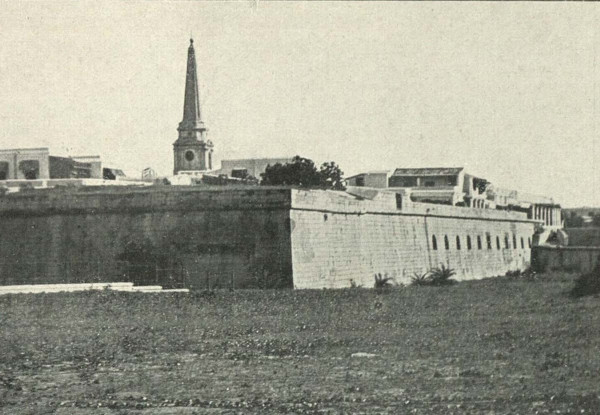
Comparing the 1905 photograph with the same view today.
Then: Fort St. George.jpg — Unknown photographer, 1905 (Public domain)
Now: Fort St. George, Chennai 2.jpg — L.vivian.richard at English Wikipedia (Public domain)
2026 Today
Now home to the Tamil Nadu Legislative Assembly and Secretariat. The museum keeps the first flag hoisted after independence.
Audio guide
Listen as you walk
Transcript
Welcome, and come stand with me here at the gates of Fort St. George, right in the heart of Chennai. You are looking at the place where British India truly began, a small strip of land turned into the first major English fortress in India back in 1644. Over the next few minutes, I will walk you through its story. We will trace its history from a trading post to a capital, look closely at its star-shaped architecture, hear the legends whispered in its walls, and learn how to visit respectfully. Take a deep breath. You are standing where empires were shaped.
Credits: Payanam audio guide team
Transcript
Our story opens in 1644, when Francis Day, an agent of the British East India Company, began building this fort on land bought from the local Nayak ruler. It started as a modest trading post, but it became the nucleus of Madras, the first major English settlement in India. In 1680, St Mary's Church was consecrated within these walls, the oldest Anglican church east of Suez. The fort changed hands during the Carnatic Wars. The French captured it in 1746, and it was returned to the British by treaty in 1749. After Indian independence in 1947, the fort became the seat of state government, a role it still holds today.
Credits: Payanam audio guide team
Transcript
Look up at the walls and you will see the classic star-shaped layout, with pointed bastions at every angle. This follows the European military style of the period, designed for defence and clear sightlines. Inside the ramparts, a small self-contained world grew. You will find St Mary's Church, the Governor's residence, old military barracks, and administrative offices, all clustered within the walls. The fort withstood a French siege in 1759 during the Carnatic Wars. Today, the former Exchange Building holds the Fort Museum. Notice the solid masonry and thick walls, every line built to protect traders and soldiers alike.
Credits: Payanam audio guide team
Transcript
Every stone here carries a story. For over two centuries, Fort St. George served as the administrative headquarters of the Madras Presidency, one of the three original British Indian presidencies. The Fort Museum preserves portraits of every Governor of Madras, the letters of Robert Clive, and original documents from the early East India Company days. Weapons, coins, medals, and uniforms spanning 300 years line the galleries. There is no grand myth whispered here, but there is something powerful. The state's laws are still debated and passed within these very walls, walls that once housed Company traders. That continuity, over 380 years, makes this place unique among India's colonial monuments.
Credits: Payanam audio guide team
Transcript
A few practical things before we step inside. The fort is open from 09:00 to 17:00 and closed on Fridays. There is no dress code, but neat, comfortable clothing suits the place, since the Tamil Nadu Secretariat and defence offices operate here. Footwear is allowed throughout, including in St Mary's Church grounds. Expect a security check at the gate, and carry a government photo ID. Do not photograph the Secretariat, military buildings, or security areas. Inside the museum, some galleries restrict photography, so ask staff first. The ticket is about 25 rupees for Indians, often paid by QR code. Please don't touch exhibits, and keep your voice low in the church.
Credits: Payanam audio guide team
Transcript
வணக்கம், சென்னையின் நடுவில் இருக்கும் செயிண்ட் ஜார்ஜ் கோட்டையின் வாயிலில் என்னுடன் நில்லுங்கள். 1644 ஆம் ஆண்டு ஒரு சிறிய நிலப்பரப்பில் இந்தியாவின் முதல் பிரதான ஆங்கிலேய கோட்டை கட்டப்பட்ட இடத்தில் நீங்கள் நிற்கிறீர்கள். பிரிட்டிஷ் இந்தியா உருவான இடம் இதுதான். அடுத்த சில நிமிடங்களில், இதன் கதையை உங்களுக்குச் சொல்லப் போகிறேன். ஒரு வணிக மையத்திலிருந்து தலைநகரமாக மாறிய வரலாற்றைப் பார்ப்போம். இன்று இது தமிழ்நாடு சட்டமன்றமும் செயலகமும் அமர்ந்திருக்கும் இடமாகவும் உள்ளது என்பதை அறிவீர்களா. நட்சத்திர வடிவ கட்டடக்கலையைக் கூர்ந்து கவனிப்போம். இதன் சுவர்களில் ஒலித்த மரபுகளைக் கேட்போம். மரியாதையாக வருகை தருவது எப்படி என்றும் அறிவோம். கோட்டை அருங்காட்சியகமும் இங்கே இயங்குகிறது. ஆழமாக ஒரு மூச்சு இழுங்கள். பேரரசுகள் வடிவமைக்கப்பட்ட இடத்தில் நீங்கள் நிற்கிறீர்கள். காலனித்துவ வரலாற்றை ஆவணப்படுத்தும் அருங்காட்சியகத்திற்குள் நாம் பயணிப்போம். கடலோர மாநிலத்தின் இதயத்தில் உங்களை வரவேற்கிறேன்.
Credits: Payanam audio guide team
Transcript
நமது கதை 1644 ஆம் ஆண்டு தொடங்குகிறது. பிரிட்டிஷ் கிழக்கிந்திய கம்பெனியின் முகவர் பிரான்சிஸ் டே, உள்ளூர் நாயக்கர் அரசரிடமிருந்து வாங்கிய நிலத்தில் இக்கோட்டையைக் கட்டத் தொடங்கினார். இது ஒரு சிறிய வணிக மையமாகத் தொடங்கி, இந்தியாவின் முதல் பிரதான ஆங்கிலேய குடியேற்றமான மெட்ராஸின் ஆணிவேராக வளர்ந்தது. இரண்டு நூற்றாண்டுகளுக்கும் மேலாக, அசல் பிரிட்டிஷ் இந்திய ஆட்சிப் பகுதிகளில் ஒன்றான மெட்ராஸ் பிரசிடென்சியின் நிர்வாகத் தலைமையகமாக இது செயல்பட்டது. 1680 இல், சூயஸ் கால்வாய்க்குக் கிழக்கே உள்ள மிகப் பழமையான ஆங்கிலிகன் தேவாலயமான செயின்ட் மேரி தேவாலயம் இங்கே கிரான்கொளிக்கப்பட்டது. கர்நாடகப் போர்களின் போது கோட்டை கைமாறியது. 1746 இல் பிரெஞ்சுப் படைகள் இதைக் கைப்பற்றின, 1749 இல் ஒப்பந்தத்தின் மூலம் பிரிட்டிஷாருக்குத் திரும்பியது. 1947 இந்திய சுதந்திரத்திற்குப் பிறகு, கோட்டை மாநிலத் தலைநகரமானது. 2019 இல் அருங்காட்சியகம் புதுப்பிக்கப்பட்டது. இன்றும் அந்தப் பணி தொடர்கிறது.
Credits: Payanam audio guide team
Transcript
சுவர்களை நோக்கிப் பாருங்கள், ஒவ்வொரு முனையிலும் கூர்மையான முனைகளுடன் கூடிய புகழ்பெற்ற நட்சத்திர வடிவ அமைப்பு தெரியும். அக்கால ஐரோப்பிய இராணுவக் கட்டிடக்கலையை இது பின்பற்றுகிறது. பாதுகாப்புக்காகவும் தெளிவான பார்வைக் கோடுகளுக்காகவும் இது வடிவமைக்கப்பட்டது. கோட்டை மதில்களுக்குள் ஒரு சிறிய தன்னிறைவு பெற்ற உலகம் வளர்ந்தது. செயின்ட் மேரி தேவாலயம், ஆளுநரின் இல்லம், பழைய இராணுவக் குடியிருப்புகள், நிர்வாக அலுவலகங்கள் அனைத்தும் சுவர்களுக்குள் அடங்கியிருந்தன. 1759 இல் கர்நாடகப் போர்களின் போது பிரெஞ்சுப் படைகளின் முற்றுகையை இக்கோட்டை திறம்பட எதிர்கொண்டது. இன்று, முன்னாள் எக்சேஞ்ச் கட்டிடத்தில் கோட்டை அருங்காட்சியகம் இயங்குகிறது. திடமான கற்சுவர்களையும் பருமனான சுவர்களையும் கவனியுங்கள். ஒவ்வொரு கோடும் வணிகர்களையும் வீரிகளையும் பாதுகாக்கவே கட்டப்பட்டது. 380 ஆண்டுகளுக்கும் மேலான தொடர்ச்சியான நிர்வாகப் பயன்பாட்டை இந்தச் சுவர்கள் கொண்டிருக்கின்றன. இந்தியாவின் காலனித்துவ நினைவுச் சின்னங்களிலிருந்து செயிண்ட் ஜார்ஜ் கோட்டையை இந்தத் தொடர்ச்சி தனித்துவமாக்குகிறது. கட்டுமானம் 1644 இல் தொடங்கியது என்பதை நினைவில் கொள்ளுங்கள்.
Credits: Payanam audio guide team
Transcript
இங்கே ஒவ்வொரு கல்லிலும் ஒரு கதை உள்ளது. இரண்டு நூற்றாண்டுகளுக்கும் மேலாக, அசல் பிரிட்டிஷ் இந்திய ஆட்சிப் பகுதிகளில் ஒன்றான மெட்ராஸ் பிரசிடென்சியின் நிர்வாகத் தலைமையகமாக செயிண்ட் ஜார்ஜ் கோட்டை செயல்பட்டது. கோட்டை அருங்காட்சியகம் மெட்ராஸின் ஒவ்வொரு ஆளுநரின் உருவப்படங்களையும், ராபர்ட் கிளைவின் கடிதங்களையும், கிழக்கிந்திய கம்பெனியின் ஆரம்பகால ஆவணங்களையும் பாதுகாக்கிறது. 300 ஆண்டுகால காலனித்துவ வரலாற்றை உள்ளடக்கிய ஆயுதங்கள், நாணயங்கள், பதக்கங்கள், சீருடைகள் காட்சிக்கூடங்களில் அணிவகுத்து நிற்கின்றன. இங்கே பிரம்மாண்டமான புராணக்கதை ஒன்றும் கிடையாது, ஆனால் ஒரு சக்திவாய்ந்த உண்மை உள்ளது. மாநிலத்தின் சட்டங்கள் இன்றும் இந்தச் சுவர்களுக்குள்ளேயே விவாதிக்கப்பட்டு நிறைவேற்றப்படுகின்றன. கிழக்கிந்திய கம்பெனியின் வணிகர்கள் தங்கிய அதே இடத்தில் தமிழ்நாடு சட்டமன்றம் அமர்வது ஒரு வரலாற்று தொடர்ச்சி. 2019 இல் புதுப்பிக்கப்பட்ட அருங்காட்சியகக் கட்டிடம் முன்னாள் எக்சேஞ்ச் கட்டிடமாகும். இந்தியாவின் காலனித்துவ நினைவுச் சின்னங்களிலிருந்து இதை தனித்துவமாக்குகிறது.
Credits: Payanam audio guide team
Transcript
உள்ளே நுழைவதற்கு முன் சில நடைமுறை விஷயங்கள். கோட்டை அருங்காட்சியகம் காலை 09:00 முதல் மாலை 17:00 வரை திறந்திருக்கும், வெள்ளிக்கிழமைகள் விடுமுறை. புனித மேரி தேவாலயத்துக்குத் தனி நேரம் உண்டு, ஞாயிறுதோறும் வழிபாடு நடைபெறும். உடைக் கட்டுப்பாடு எதுவும் இல்லை, ஆனால் தமிழ்நாடு தலைமைச் செயலகமும் பாதுகாப்புத் துறை அலுவலகங்களும் இங்கே இருப்பதால் நேர்த்தியான, வசதியான உடை பொருத்தமானது. புனித மேரி தேவாலய வளாகம் உட்பட எல்லா இடங்களிலும் காலணி அணிந்தே செல்லலாம். வாயிலில் பாதுகாப்புச் சோதனை உண்டு, அரசு புகைப்பட அடையாள அட்டையை உடன் வைத்திருங்கள். தலைமைச் செயலகம், இராணுவக் கட்டடங்கள், பாதுகாப்புப் பகுதிகளைப் படம் எடுக்காதீர்கள். நுழைவுக் கட்டணம் இந்தியருக்கு ஏறத்தாழ ₹25, பெரும்பாலும் QR குறியீடு அல்லது UPI வழியாகச் செலுத்த வேண்டும். காணிக்கை எதுவும் தேவையில்லை. தேவாலயத்தில் மெதுவாகப் பேசுங்கள், அருங்காட்சியகப் பொருட்களைத் தொட வேண்டாம்.
Credits: Payanam audio guide team
Heritage Passport
Stamp No. 21 ௨௧
In your passport
Be within 500 m of the monument to collect this stamp.
Sign in to collectWhere the Empire Began
Fort St. George is where the British Empire in India effectively began. Built in 1644 by the British East India Company's agent Francis Day on a strip of land purchased from the local Nayak ruler, this small trading post grew into the nucleus of Madras (now Chennai) — the first major English settlement in India. For over two centuries, it served as the administrative headquarters of the Madras Presidency, one of the three original British Indian presidencies.
The fort's star-shaped layout, with bastions at each point, follows European military architecture of the period. Inside the walls, a self-contained settlement grew: St. Mary's Church (1680, the oldest Anglican church east of Suez), the Governor's residence, military barracks, and administrative offices. The fort withstood a French siege in 1759 during the Carnatic Wars.
The Fort Museum
Today, the Fort Museum housed within the former Exchange Building displays a remarkable collection: portraits of every Governor of Madras, the correspondence of Robert Clive, weapons, coins, medals, and uniforms spanning 300 years of colonial history. The museum also preserves original documents from the East India Company's early trading days.
Still in Use
Remarkably, Fort St. George is not just a museum — it is the seat of the Tamil Nadu Legislative Assembly and the Secretariat. The state's laws are debated and passed within walls that once housed the East India Company's traders. This continuity of administrative use over 380 years makes Fort St. George unique among India's colonial monuments.
Timeline
1644
Fort construction begins
1680
St. Mary's Church consecrated
1746
French capture the fort
1749
Returned to British by treaty
1947
Indian independence; fort becomes state capital
2019
Museum renovated
Key Facts
Gallery

Experience in AR
View this heritage site in augmented reality on your phone
Visiting etiquette
- Dress
- No dress code; neat, comfortable clothing is suitable, since the fort also houses the Tamil Nadu Secretariat and defence offices.
- Footwear
- Footwear can be worn throughout the fort, museum and St Mary's Church grounds.
- Photography
- Photography of the Secretariat, military buildings and security areas is not allowed. Inside the ASI Fort Museum, photography may be restricted in some galleries, so ask staff first.
- Entry
- Expect a security check at the gate and carry a government photo ID. The Fort Museum ticket is about ₹25 for Indians (more for foreign visitors) and is often paid by QR code or UPI, so cash may not be accepted.
- Timings
- The Fort Museum is open 09:00–17:00 and closed on Fridays. St Mary's Church keeps its own hours, with Sunday services.
- Offerings
- No offerings are expected. At St Mary's Church, visitors are welcome but should stay quiet during services.
- Behaviour
- Follow security staff instructions and stay out of restricted government areas. Please don't touch museum exhibits, and keep your voice down in the church.
Visitor Information
Visiting Hours
09:00-17:00 (closed Fridays)
Entry Fee
₹25
Best Time to Visit
November to February
Location
Open in OpenStreetMap
அறிவுடையார் ஆவ தறிவார் அறிவிலார்
அஃதறி கல்லா தவர்.
The wise discern, the foolish fail to see, And minds prepare for things about to be.
A kural on learning
Chapter 43 · The Possession of Knowledge
Book: Wealth
Arivutaiyaar Aava Tharivaar Arivilaar / Aqdhari Kallaa Thavar
English: G. U. Pope (1886), public domain