
Shore Temple
கடற்கரைக் கோயில்
A Pallava-era structural stone temple on the Bay of Bengal coast, part of the UNESCO-listed Group of Monuments at Mahabalipuram, surviving 1,300 years of wind, salt, and surf.
Then & Now
Shore Temple through the centuries
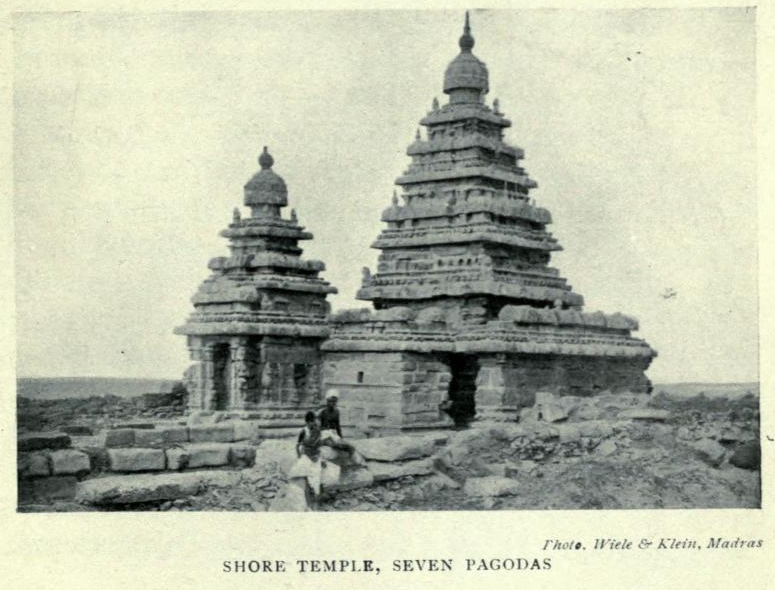
Comparing the 1921 photograph with the same view today.
Then: Shore temple 1921.jpg — Wiele & Klein, Madras, 1921 (Public domain)
Now: Mamallapuram, Shore Temple, India.jpg — Vyacheslav Argenberg (CC BY 4.0)
2026 Today
Salt winds have softened the carvings to smooth curves. Sunrise behind the twin towers is Mamallapuram's best view.
Audio guide
Listen as you walk
Transcript
Welcome, traveller, to the Shore Temple at Mamallapuram. Stand here with me and look out at the Bay of Bengal. The sea stretches before you, and right at the water's edge stands a stone temple that has watched these waves for 1,300 years. Built by the Pallavas, it is one of the oldest stone-built temples in South India, and it forms part of a UNESCO World Heritage Site. I am your guide, and over the next few minutes I will walk you through its history, its architecture, the legends that cling to its stones, and a few simple ways to visit respectfully. Take a breath of the salt air, and let us begin.
Credits: Payanam audio guide team · MiniMax speech-2.8-hd
Transcript
The Shore Temple was built during the reign of the Pallava king Narasimhavarman II, also called Rajasimha. Construction began in the year 700 and the temple complex was completed by 728. It stands on a low promontory that juts into the Bay of Bengal, exposed for centuries to salt-laden wind, tropical storms, and pounding surf. And yet, after 1,300 years, it is still here, its sculptures worn but standing, a quiet testament to Pallava engineering. In 1984 the temple was inscribed as a UNESCO World Heritage Site as part of the Group of Monuments at Mahabalipuram. In 2004, the great tsunami struck this coast and reshaped our understanding of the place, as we shall hear next.
Credits: Payanam audio guide team · MiniMax speech-2.8-hd
Transcript
Look closely and you will see that this is not one temple but three shrines grouped together. Two face the sea, one to the east for sunrise, one to the west for sunset, and both are dedicated to Shiva. Between them stands a smaller shrine to Vishnu. The whole complex is built in granite, a stone the Pallavas chose to withstand the marine weather. Surrounding it all runs an enclosure wall, and along that wall you can count more than one hundred Nandi bulls carved in different poses, Shiva's mount, guarding the shrines. Notice the pyramid-like towers, called shikharas, rising over each sanctum. Despite centuries of erosion, the geometry of the stones and the rhythm of the carvings remain sharp and deliberate. It is a quiet marvel of Pallava craftsmanship.
Credits: Payanam audio guide team · MiniMax speech-2.8-hd
Transcript
For generations, local folk in Mamallapuram told a strange story. They said the Shore Temple was only one of seven temples that once stood in a row along this coast, and that the other six had been swallowed by the sea. Most dismissed it as a fisherman's tale. Then, in 2004, the great tsunami struck. As the ocean drew back before the main wave, it uncovered stone structures, carved boulders, and temple foundations on the seabed just offshore. Archaeology has since confirmed the legend, identifying remains of at least two more temple complexes lying submerged near the Shore Temple. So the old story was not fantasy at all, but memory. The sea took those temples long ago, and in 2004 it briefly gave a piece of them back.
Credits: Payanam audio guide team · MiniMax speech-2.8-hd
Transcript
A few simple things will help you enjoy this place well. There is no dress code, but light, modest clothing and a hat are wise under the coastal sun. You may keep your sandals on. Personal still photography is free, though tripods, drones, and commercial filming need written permission from the ASI, and a small fee applies for handheld video. The site is open daily from 06:00 to 18:00, and one ASI ticket covers the ticketed monuments of Mamallapuram. Worship is not conducted here, so please do not light lamps, incense, or candles, or place flowers on the carvings. Stay on the paths, do not climb the walls or Nandi figures, keep food out, and carry your water and any plastic away with you. Thank you.
Credits: Payanam audio guide team · MiniMax speech-2.8-hd
Transcript
வணக்கம் பயணியே, மாமல்லபுரத்தின் கடற்கரைக் கோயிலுக்கு உங்களை அன்புடன் வரவேற்கிறேன். இங்கே என் அருகில் நின்று பாருங்கள், வங்காள விரிகுடா கடல் உங்கள் கண்முன் விரிகிறது. அலைகளின் ஓரத்தில், 1,300 ஆண்டுகளாக இந்தக் கடலையே உற்றுப் பார்த்துக் கொண்டிருக்கிற ஒரு கல்லாலான கோயில் நிற்கிறது. பல்லவ மன்னர்கள் கட்டிய இது, தென்னிந்தியாவின் மிகப் பழமையான கற்கோயில்களில் ஒன்றாகும், மாமல்லபுரத்தின் யுனெஸ்கோ உலகப் பாரம்பரிய சின்னத் தொகுதியின் ஒரு பகுதியாகவும் விளங்குகிறது. இந்தத் தொகுப்பில் சிவனுக்கான இரண்டு சன்னதிகளும் விஷ்ணுவுக்கான ஒரு சிறிய சன்னதியும் அடங்கும், சுற்றுச்சுவரில் நூற்றுக்கும் மேற்பட்ட நந்தி காளைகள் செதுக்கப்பட்டுள்ளன. காற்றில் உப்பின் வாசனை கலந்திருக்கிறது, கடலின் ஓசை கேட்கிறது. நான் உங்கள் வழிகாட்டி, அடுத்த சில நிமிடங்களில் இதன் வரலாறு, கட்டடக்கலை, மரபுகள் ஆகியவற்றையும், மரியாதையாக வருகை தருவதற்கான வழிமுறைகளையும் சொல்கிறேன். உப்புக் காற்றை ஒரு முறை ஆழமாக இழுத்து, பயணத்தைத் தொடங்குவோம்.
Credits: Payanam audio guide team · MiniMax speech-2.8-hd
Transcript
கடற்கரைக் கோயில் பல்லவ மன்னர் நரசிம்மவர்மன் II, அதாவது ராஜசிம்ஹா என்றழைக்கப்பட்டவரின் ஆட்சியில் கட்டப்பட்டது. அவர் சுமார் கி.பி. 700-728 வரை ஆட்சி செய்தார். கட்டுமானம் 700 ஆம் ஆண்டு தொடங்கி, 728 ஆம் ஆண்டில் கோயில் தொகுப்பு நிறைவடைந்தது. வங்காள விரிகுடாவுக்குள் நீண்ட ஒரு முனையில் இது நிற்கிறது, நூற்றாண்டுகளாக உப்பு நிறைந்த காற்று, வெப்பமண்டலப் புயல்கள், கடும் அலைகள் என அனைத்தையும் எதிர்கொண்டு வந்திருக்கிறது. இன்னும் 1,300 ஆண்டுகள் கடந்த பிறகும் அதன் சிற்பங்கள் தேய்ந்திருந்தாலும் நிற்கின்றன, பல்லவப் பொறியியலின் அமைதியான சாட்சியமாய். 1984 இல் இக்கோயில் மாமல்லபுரத்தின் நினைவுச்சின்னங்கள் தொகுதியின் ஒரு பகுதியாக யுனெஸ்கோ உலகப் பாரம்பரிய சின்னமாகப் பட்டியலிடப்பட்டது. 2004 ஆம் ஆண்டு பெரும் சுனாமி இந்தக் கடற்கரையைத் தாக்கியது, 2005 இல் ஏஎஸ்ஐ சுனாமிக்குப் பிந்தைய பாதுகாப்பை மேற்கொண்டது, இந்த இடத்தைப் பற்றிய நமது புரிதலையே மாற்றியது.
Credits: Payanam audio guide team · MiniMax speech-2.8-hd
Transcript
கவனமாகப் பாருங்கள், இது ஒரே கோயில் அல்ல, ஒன்றிணைந்த மூன்று சன்னதிகள் கொண்ட தொகுப்பு என்பது புரியும். கடலை நோக்கிய இரண்டு சன்னதிகள் உள்ளன, ஒன்று கிழக்கே சூரிய உதயத்தையும், மற்றொன்று மேற்கே சூரிய அஸ்தமனத்தையும் எதிர்கொள்கின்றன, இரண்டும் சிவனுக்கு அர்ப்பணிக்கப்பட்டவை. இவற்றுக்கு இடையில் விஷ்ணுவுக்கான ஒரு சிறிய சன்னதி அமைந்துள்ளது. முழுத் தொகுப்பும் கருங்கல்லால் கட்டப்பட்டுள்ளது, கடலின் வானிலையைத் தாங்க பல்லவர்கள் தேர்ந்தெடுத்த பாறை இது. இதைச் சுற்றி ஒரு சுற்றுச்சுவர் ஓடுகிறது, அந்தச் சுவரின் ஓரமாக நூற்றுக்கும் மேற்பட்ட நந்தி காளைகள் பல்வேறு பாவனைகளில் செதுக்கப்பட்டுள்ளன, சிவனின் வாகனம் சன்னதிகளைக் காவல் காக்கின்றன. ஒவ்வொரு கருவறைக்கும் மேல் எழும் பிரமிடு வடிவ சிகரங்களைக் கவனியுங்கள். நூற்றாண்டுகால தேய்மானத்திற்கு மத்தியிலும் கற்களின் வடிவமைப்பும் சிற்பங்களின் ஒழுங்கும் தெளிவாய் ஒலிக்கின்றன. பல்லவ கைவண்ணத்தின் அமைதியான அதிசயம் இது.
Credits: Payanam audio guide team · MiniMax speech-2.8-hd
Transcript
தலைமுறைகளாக மாமல்லபுரத்து உள்ளூர் மக்கள் ஒரு வியப்பான கதையைச் சொல்லி வந்தனர். கடற்கரைக் கோயில் இந்தக் கரையோரம் ஒரு வரிசையில் நின்ற ஏழு கோயில்களில் கடைசியாக எஞ்சியது, மற்ற ஆறு கோயில்களைக் கடல் விழுங்கிவிட்டது என்பது அவர்கள் கூறியது. பெரும்பாலோர் இதை மீனவர்களின் கதையாக ஒதுக்கினர். பிறகு 2004 ஆம் ஆண்டு பெரும் சுனாமி வந்தது. பிரதான அலை வருவதற்கு முன் கடல் பின்வாங்கியபோது, கடற்படுகையில் கல் கட்டமைப்புகள், செதுக்கப்பட்ட பாறைகள், கோயில் அஸ்திவாரங்கள் வெளிப்பட்டன. தொல்லியல் ஆய்வுகள் பின்னர் அந்த மரபை உறுதிப்படுத்தின, கடற்கரைக் கோயிலுக்கு அருகில் மூழ்கிய குறைந்தது இரண்டு கோயில் தொகுப்புகளின் எச்சங்கள் இருப்பதைக் கண்டறிந்தன. ஆகவே அந்தப் பழைய செய்தி கற்பனையல்ல, நினைவு. கடல் நீண்ட காலத்திற்கு முன்பே அந்தக் கோயில்களை எடுத்துக் கொண்டது, 2004 இல் ஒரு கணம் அவற்றில் ஒரு பகுதியைத் திருப்பித் தந்தது.
Credits: Payanam audio guide team · MiniMax speech-2.8-hd
Transcript
இந்த இடத்தை நன்றாக அனுபவிக்க சில எளிய வழிமுறைகள் உதவும். உடைக் கட்டுப்பாடு ஏதும் இல்லை, ஆனால் கடற்கரை வெயிலுக்கு இலகுவான, கண்ணியமான உடையும் தொப்பியும் அறிவுடைய தேர்வு. செருப்பைக் கழற்றத் தேவையில்லை, அணிந்தபடியே செல்லலாம். தனிப்பட்ட புகைப்படம் இலவசம், ஆனால் முக்காலி, ட்ரோன், வணிகப் படப்பிடிப்பு ஆகியவற்றுக்கு இந்தியத் தொல்லியல் துறையின் எழுத்துப்பூர்வ அனுமதி தேவை, கையடக்க வீடியோவுக்கு ₹25 சிறு கட்டணம் உண்டு. தினமும் காலை 06:00 முதல் மாலை 18:00 வரை திறந்திருக்கும், ஒரே ஏஎஸ்ஐ நுழைவுச் சீட்டு மாமல்லபுரத்தின் கட்டணச் சின்னங்கள் அனைத்துக்கும் செல்லும். இங்கு வழிபாடு நடைபெறுவதில்லை, எனவே விளக்கு, ஊதுவத்தி, மெழுகுவர்த்தி ஏற்ற வேண்டாம், சிற்பங்களின் மீது பூ வைக்க வேண்டாம். நடைபாதைகளில் நடந்து சுவர்கள், நந்திச் சிலைகள் மீது ஏற வேண்டாம், உணவை உள்ளே கொண்டு வர வேண்டாம், தண்ணீரைக் கொண்டு செல்லலாம், குப்பைகளைத் தொட்டியில் போடுங்கள். நன்றி.
Credits: Payanam audio guide team · MiniMax speech-2.8-hd
Heritage Passport
Stamp No. 4 ௪
In your passport
Be within 500 m of the monument to collect this stamp.
Sign in to collectSentinel on the Shore
The Shore Temple at Mamallapuram is one of the oldest structural (built, not rock-cut) stone temples in South India, dating to the reign of the Pallava king Narasimhavarman II (also called Rajasimha, r. c. 700-728 CE). Standing on a promontory jutting into the Bay of Bengal, it has survived 1,300 years of salt-laden winds, tropical storms, and the pounding surf — its sculptures eroded but still standing, a testament to Pallava engineering.
The temple complex actually contains three shrines: two dedicated to Shiva (one facing east for sunrise, one west for sunset) and a smaller shrine to Vishnu between them. The entire complex is enclosed by a wall carved with Nandi bulls — over 100 of them in various poses.
The Submerged Temples
Local legend long held that the Shore Temple was merely the last survivor of a row of seven temples, the other six swallowed by the sea. The 2004 tsunami dramatically confirmed this legend: as the waters receded before the main wave, they exposed stone structures, carved boulders, and temple foundations on the seabed offshore. Subsequent archaeological surveys have identified remains of at least two more temple complexes submerged near the Shore Temple.
UNESCO Recognition
The Shore Temple is part of the Group of Monuments at Mahabalipuram, inscribed as a UNESCO World Heritage Site in 1984. The site includes the Shore Temple, the Pancha Rathas, Arjuna's Penance, Krishna's Butterball, and several other rock-cut caves and monolithic structures that together represent the peak of Pallava art and architecture.
Timeline
700
Construction begins under Narasimhavarman II
728
Temple complex completed
1984
UNESCO World Heritage Site inscription
2004
Tsunami reveals submerged structures
2005
ASI undertakes post-tsunami conservation
Key Facts
Gallery


Experience in AR
View this heritage site in augmented reality on your phone
Visiting etiquette
- Dress
- There is no dress code, as this is an ASI monument rather than a working temple; light, modest clothing and a hat are sensible for the sun and sea breeze.
- Footwear
- Footwear can be worn within the complex; sandals are handy on the hot stone and sand.
- Photography
- Personal still photography is free. Tripods, drones and commercial filming need prior written permission from the ASI; flying a drone without it is prohibited. Non-commercial handheld video carries a small ASI filming fee (₹25).
- Entry
- One ASI ticket (₹40 cash / ₹35 online for Indians and SAARC/BIMSTEC visitors, ₹600 / ₹550 for other foreigners; children under 15 free) covers all the ticketed Mamallapuram monuments, one entry per site. Carry a government photo ID.
- Timings
- Open daily 06:00–18:00; ticket counters close around 17:30. Early morning is coolest and least crowded.
- Offerings
- No offerings are expected, as worship is not conducted here. Please don't light lamps, candles or incense (lighters and candles are on the ASI's prohibited list) or place flowers and kumkum on the carvings.
- Behaviour
- Stay on the paths and don't climb the temple walls, Nandi figures or compound wall; the sea-weathered stone is fragile. Food is not allowed inside (water is fine), so use the dustbins and help keep the beach plastic-free.
Visitor Information
Visiting Hours
06:00-18:00
Entry Fee
₹40
Best Time to Visit
November to February
Location
Open in OpenStreetMapபிழைத்துணர்ந்தும் பேதைமை சொல்லா ரிழைத்துணர்ந்
தீண்டிய கேள்வி யவர்.
Not e'en through inadvertence speak they foolish word, With clear discerning mind who've learning's ample lessons heard.
A kural on learning
Chapter 42 · Hearing
Book: Wealth
Pizhaith Thunarndhum Pedhaimai Sollaa / Rizhaiththunarn Theentiya Kelvi Yavar
English: G. U. Pope (1886), public domain