
Brihadeeswarar Temple
பிரகதீஸ்வரர் கோயில்
Rajaraja Chola I's masterpiece — a UNESCO World Heritage temple with a 66-metre vimana topped by an 80-tonne capstone, one of the greatest achievements of Dravidian architecture.
Then & Now
Brihadeeswarar Temple through the centuries
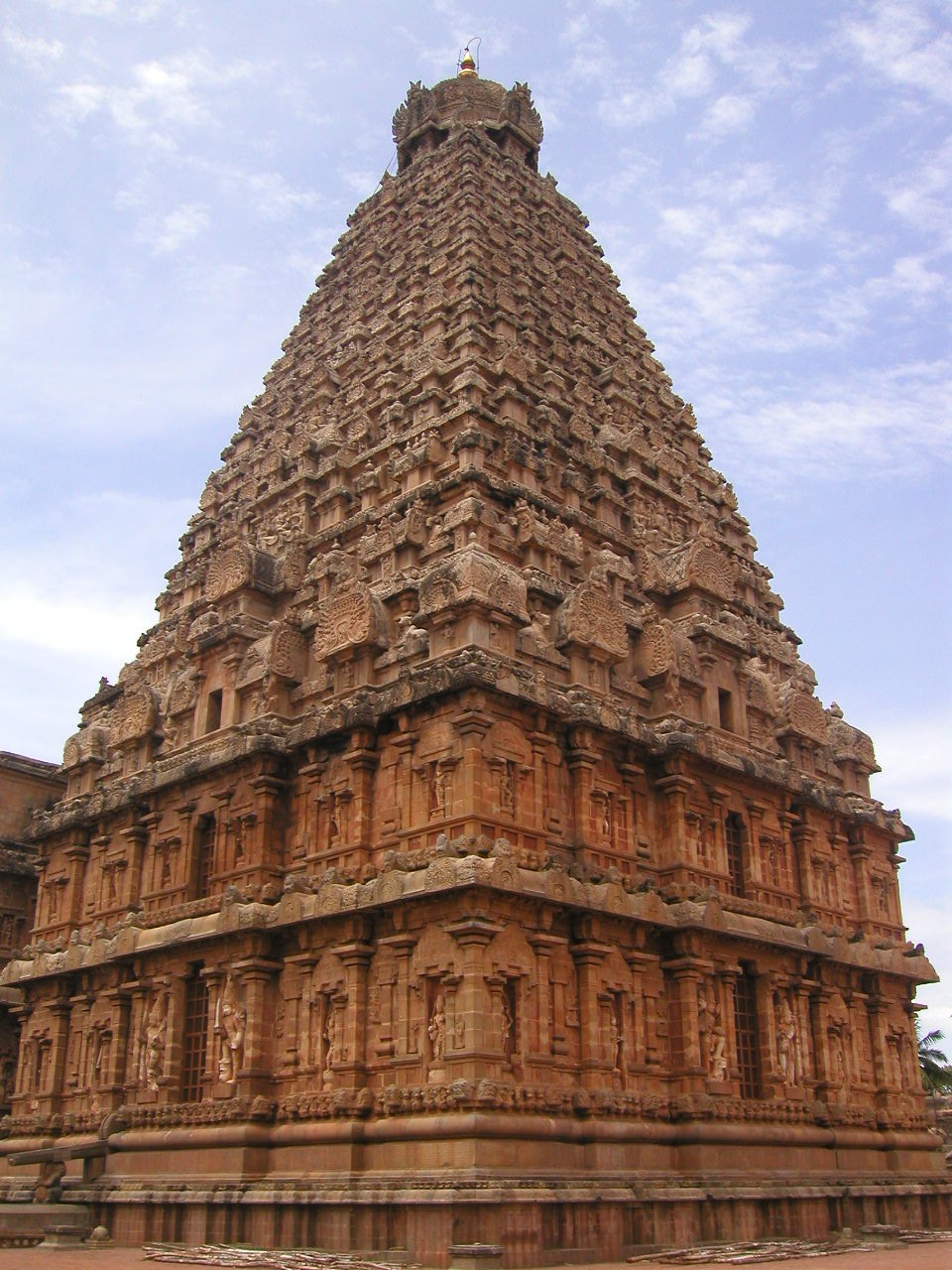

Comparing the 1868 photograph with the same view today.
Then: Brihadisvara Temple - Edmund David Lyon.jpg — Edmund David Lyon, 1868 (Public domain)
Now: Brihadeeswarar Temple 2006118 1.jpg — John Kingsley (CC BY-SA 2.0)
2026 Today
A thousand years on (the millennium was celebrated in 2010), worship has never stopped. The granite still glows gold at sunset.
Audio guide
Listen as you walk
Transcript
Welcome, dear visitor, to the Brihadeeswarar Temple in Thanjavur. You are standing before what many call the crown of the Cholas. This is a living temple, a thousand years old, and still a place of daily worship where prayers have never stopped. Over the next few minutes, I will walk you through its history, its remarkable architecture, the legends woven into its walls, and the etiquette that helps us honour this sacred place. Take a slow breath. Notice the cool granite beneath your feet and feel the great tower rising above you. Let the place speak first, and then I will help you listen to all it has to say.
Credits: Payanam audio guide team · MiniMax speech-2.8-hd
Transcript
The story begins in 985, when Rajaraja Chola I came to the throne. By 1003, he had begun building this temple, and it was consecrated in 1010. The Cholas poured their wealth, engineering skill and devotion into every stone. In 1987, UNESCO recognised the temple as a World Heritage Site, and in 2004, the listing expanded to include two sister temples. In 2010, the thousandth year was celebrated here. What makes this place extraordinary is that it was never abandoned. For a full millennium, the lamps have been lit, the bells have rung, and the prayers have continued without interruption.
Credits: Payanam audio guide team · MiniMax speech-2.8-hd
Transcript
Look up. The vimana, the tower above the sanctum, rises 66 metres. When it was built, it was the tallest of its kind. At its very top sits the kumbam, a single capstone weighing around 80 tonnes. The Chola engineers are believed to have built a ramp over 6 kilometres long to haul it up. The entire temple is carved from granite, fitted together so precisely that no mortar was used. Weight and geometry alone hold it together. Inside the courtyard stands a Nandi bull, carved from a single 25-tonne block of granite. Walk around slowly and let your eyes trace the joints between the stones.
Credits: Payanam audio guide team · MiniMax speech-2.8-hd
Transcript
There are no grand myths told here about gods and demons. Instead, the legends are written on the walls themselves. The temple carries 130 inscriptions, recording the names of bronze casters, the gold donated, the salaries of temple dancers, and even the rice rations given to the temple elephants. These writings are among our richest records of Chola life. The Nandi bull, they say, still receives garlands every morning, just as it did in Rajaraja's time. The story this place tells is not of myth, but of a people who wished to be remembered in stone and in service.
Credits: Payanam audio guide team · MiniMax speech-2.8-hd
Transcript
Please dress modestly, with shoulders and knees covered. Leave your footwear at the paid counter near the entrance and walk barefoot. The stone heats quickly, so early morning or late evening visits are best. Entry is free. Darshan runs from 06:00 to 12:30, and again from 16:00 to 20:30, though hours can change on festival days. Since 1 September 2026, camera phones must be deposited at the counter for a small fee. Photography of the sanctum and the Chola murals is never allowed. Walk clockwise around the shrines, speak softly, and please do not climb on the Nandi platform or the carved walls.
Credits: Payanam audio guide team · MiniMax speech-2.8-hd
Transcript
வணக்கம், அன்புள்ள பார்வையாளரே. தஞ்சாவூரில் உள்ள பிரகதீஸ்வரர் கோயிலுக்கு உங்களை மனமார வரவேற்கிறேன். நீங்கள் இப்போது சோழர்களின் கிரீடம் என்று அழைக்கப்படும் புகழ்பெற்ற இடத்தின் முன் நிற்கிறீர்கள். இது ஆயிரம் ஆண்டுகள் பழமையான வாழும் கோயில், இன்றும் தினமும் பூஜை நடைபெறும் வழிபாட்டுத் தலமாகவே செயல்பட்டு வருகிறது. இங்கே பிரார்த்தனைகள் ஒரு நாளும் நிற்கவில்லை. அடுத்த சில நிமிடங்களில், இதன் வரலாற்றை, அதிசயிக்க வைக்கும் கட்டடக்கலையை, சுவர்களில் பதிக்கப்பட்ட மரபுகளை, மற்றும் இந்தப் புனித இடத்தை மதிக்கும் நடத்தை நெறிகளையும் உங்களுக்கு ஒவ்வொன்றாக விளக்குவேன். ஒரு ஆழ்ந்த மூச்சை எடுத்துக் கொள்ளுங்கள். உங்கள் கால்களுக்குக் கீழே குளிர்ந்த கிரானைட் பரப்பையும், உங்கள் மேலே உயர்ந்து எழும் பெரும் விமானத்தையும் உணருங்கள். இந்த இடம் முதலில் பேசட்டும், பிறகு அதன் சொல்லும் கதையைக் கேட்க உதவுவேன். அக்டோபர் முதல் மார்ச் வரை வருகை தருவது மிகவும் சௌகரியமானதாக இருக்கும் என்பதையும் நினைவில் கொள்ளுங்கள்.
Credits: Payanam audio guide team · MiniMax speech-2.8-hd
Transcript
இந்தக் கதை 985-ல் தொடங்குகிறது, முதலாம் இராஜராஜ சோழன் சிம்மாசனம் ஏறியபோது. அவர் தனது பேராற்றலையும் ஆழ்ந்த பக்தியையும் ஒன்றிணைக்க முடிவு செய்தார். 1003-ல் இந்தப் பெரும் கோயிலின் கட்டுமானம் அவர் தலைமையில் தொடங்கியது, 1010-ல் கும்பாபிஷேகம் விமரிசையாக நடைபெற்றது. சோழர்கள் தங்கள் செல்வம், பொறியியல் திறன், பக்தி ஆகிய அனைத்தையும் ஒவ்வொரு கல்லிலும் கொட்டினர். கோயில் முழுவதும் கிரானைட்டால் உருவாக்கப்பட்டது, சாந்தம் இன்றி கற்பலகைகள் எடை மற்றும் வடிவக்கணிதத்தால் மட்டுமே பிணைக்கப்பட்டன. 1987-ல் யுனெஸ்கோ இந்தக் கோயிலை உலக பாரம்பரிய தளமாக அங்கீகரித்தது, அதன் பெருமையை உலகமே அறிந்தது. 2004-ல் அந்தப் பட்டியல் கங்கைகொண்ட சோழபுரம் மற்றும் தாராசுரம் ஆகிய இரண்டு உடன்பிறந்த கோயில்களையும் சேர்த்து விரிவாக்கம் செய்யப்பட்டது. 2010-ல் ஆயிரமாண்டு விழா இங்கே மகிமையாகக் கொண்டாடப்பட்டது. முழு ஆயிரம் ஆண்டுகளாக, விளக்குகள் தொடர்ந்து ஏற்றப்பட்டன, மணிகள் தொடர்ந்து ஒலித்தன, பிரார்த்தனைகள் ஓய்வின்றி நீடித்தன.
Credits: Payanam audio guide team · MiniMax speech-2.8-hd
Transcript
மேலே பாருங்கள். கருவறைக்கு மேலே எழும் விமானம் 66 மீட்டர் உயரம் கொண்டது. இது கட்டப்பட்ட காலத்தில், அதன் வகையிலேயே மிக உயர்ந்ததாக இருந்தது, ஆயிரம் ஆண்டுகள் கடந்தும் இன்னும் இந்தியாவின் மிக உயர்ந்தவற்றில் ஒன்றாகவே உள்ளது. அதன் மிக உச்சியில் கும்பம் எனப்படும் ஒரே கலசம் அமர்ந்திருக்கிறது, சுமார் 80 டன் எடை கொண்டது. அக்காலத்திய எந்த கிரேனும் அடைய முடியாத உயரத்தில் இது உள்ளது. இதை ஏற்ற, சோழப் பொறியியலாளர்கள் 6 கிலோமீட்டர்களுக்கும் அதிகமான நீளமுள்ள சாய்வுப்பாதையை அமைத்து, உருளைகளின் மீது கல்லை இழுத்திருக்கலாம் என்று ஏற்றுக்கொள்ளப்பட்ட கோட்பாடு கூறுகிறது. முழுக் கோயிலும் கிரானைட்டால் செதுக்கப்பட்டுள்ளது, இணைப்புகள் மிகத் துல்லியமாக இருப்பதால் சாந்தம் எதுவும் பயன்படுத்தப்படவில்லை. எடையும் வடிவக்கணிதமும் மட்டுமே கற்பலகைகளைப் பிணைக்கின்றன. முற்றத்தின் உள்ளே 25 டன் எடையுள்ள ஒரே கிரானைட் கற்பலகையில் நந்தி எருது செதுக்கப்பட்டுள்ளது.
Credits: Payanam audio guide team · MiniMax speech-2.8-hd
Transcript
இங்கே தெய்வங்களையும் அசுரர்களையும் பற்றிய பெரிய புராணக் கதைகள் அதிகம் சொல்லப்படுவதில்லை. அதற்கு பதிலாக, மரபுகள் கோயில் சுவர்களிலேயே கல்வெட்டுகளாகப் பதிக்கப்பட்டுள்ளன. இங்கே 130 கல்வெட்டுகள் உள்ளன, அவை ஒவ்வொன்றும் கோயிலின் கட்டுமானம் மற்றும் செயல்பாட்டின் அம்சங்களை விரிவாகக் கூறுகின்றன. வெண்கலச் சாயங்களின் பெயர்கள், நன்கொடையாக வழங்கப்பட்ட தங்கத்தின் அளவுகள், கோயில் நடனக் கலைஞிகளான தேவதாசிகளின் ஊதியங்கள், கோயில் யானைகளுக்கு ஒதுக்கப்பட்ட அரிசி ரேஷன்கள் ஆகிய அனைத்தும் இவற்றில் பதிவாகியுள்ளன. சோழ காலப் பொருளாதாரம் மற்றும் சமூகத்தைப் புரிந்துகொள்வதற்கான மிகவும் மதிப்புமிக்க முதன்மை ஆதாரங்களில் இவை ஒன்றாகும். இராஜராஜன் ஒரு கடுமையான நிர்வாகியாக இருந்ததற்கு இந்தக் கல்வெட்டுகளே சான்று. நந்தி எருது, ஒரே 25 டன் கிரானைட் கற்பலகையில் செதுக்கப்பட்டது, இன்னும் ஒவ்வொரு காலையிலும் மாலையணிகிறது, இராஜராஜன் காலத்தில் போலவே இந்த மரபு தொடர்கிறது, அதுவும் ஒரு புராணமாகவே நிலைத்திருக்கிறது.
Credits: Payanam audio guide team · MiniMax speech-2.8-hd
Transcript
தயவுசெய்து கண்ணியமான உடை அணியுங்கள், தோள்களும் முழங்கால்களும் மறைந்திருக்க வேண்டும். ஆண்களுக்கு வேட்டி அல்லது பேண்ட்-சட்டை, பெண்களுக்கு சேலை அல்லது தாவணி ஏற்றவை, ஷார்ட்ஸ், கையில்லாத மேலாடை ஆகியவற்றைத் தவிர்க்கவும். நுழைவாயில் அருகே உள்ள கட்டணக் காலணி மையத்தில் காலணிகளை ஒப்படைத்து, பையில் வைத்து டோக்கன் பெற்று, வெறுங்காலுடன் செல்லுங்கள். பரந்த கல் முற்றம் விரைவில் சூடாகும், எனவே காலை அல்லது மாலை நேரம் சிறக்க ஏற்றது. நுழைவு இலவசம். தரிசன நேரம் 06:00 முதல் 12:30 வரை, பிறகு 16:00 முதல் 20:30 வரை நீள்கிறது, பிரதோஷம் மற்றும் திருவிழா நாட்களில் நேரம் மாறலாம், அப்போது முற்றத்தில் கூட்டம் அதிகமாக இருக்கும். 1 செப்டம்பர் 2026 முதல் கேமரா கைப்பேசிகளை ₹5 செலுத்தி ஒப்படைக்க வேண்டும். கருவறை, சோழர் கால ஓவியங்கள் புகைப்படம் தடை. வரிசையில் பொறுமையாகக் காத்திருங்கள், அமைதியாகப் பேசுங்கள்.
Credits: Payanam audio guide team · MiniMax speech-2.8-hd
Heritage Passport
Stamp No. 1 ௧
In your passport
Be within 500 m of the monument to collect this stamp.
Sign in to collectThe Crown of the Cholas
The Brihadeeswarar Temple (also called Peruvudaiyar Kovil or the Big Temple) stands as perhaps the single greatest architectural achievement of the Chola dynasty — and an argument for their place among the most accomplished builders in human history. Commissioned by Rajaraja Chola I and completed in 1010 CE, the temple's vimana (tower) rises 66 metres — the tallest of its kind when built, and still among the tallest in India a thousand years later.
The engineering challenges were extraordinary. The capstone (kumbam) at the apex weighs approximately 80 tonnes and sits at a height that no crane of the era could reach. The accepted theory is that the Chola engineers constructed a ramp over 6 kilometres long, with a gradient gentle enough to haul the stone on rollers. The entire temple is built of granite, with joints so precise that no mortar was used — the blocks hold by weight and geometry alone.
The Inscriptions Tell All
Rajaraja was a meticulous administrator, and the temple's walls carry 130 inscriptions detailing every aspect of its construction and operation. We know the names of the bronze-casters, the quantities of gold donated, the salaries of the temple dancers (devadasis), and the rations of rice allocated to the temple elephants. These inscriptions are among the most valuable primary sources for understanding Chola-era economy and society.
A Living Chola Temple
The Brihadeeswarar Temple is part of the 'Great Living Chola Temples' UNESCO World Heritage Site (inscribed 1987, expanded 2004), along with the temples at Gangaikonda Cholapuram and Darasuram. The word 'living' is significant: these are not ruins, but functioning temples where daily puja has continued for a millennium. The Brihadeeswarar's Nandi bull — carved from a single 25-tonne granite block — still receives garlands every morning, just as it did in Rajaraja's time.
Timeline
985
Rajaraja Chola I ascends the throne
1003
Construction begins
1010
Temple consecrated
1987
Inscribed as UNESCO World Heritage Site
2004
UNESCO site expanded to include Gangaikonda Cholapuram and Darasuram
2010
Millennial celebrations held
Key Facts
Gallery


Experience in AR
View this heritage site in augmented reality on your phone
Visiting etiquette
- Dress
- Modest clothing is expected: shoulders and knees covered. Veshti/dhoti or trousers with a shirt for men, and saree, half-saree or churidar/salwar with dupatta for women are ideal; shorts, sleeveless tops and short skirts are best avoided.
- Footwear
- Leave footwear at the paid counter near the entrance (a small fee; footwear is bagged and tokened) and walk barefoot. Visit early or late, as the vast stone courtyard heats up quickly.
- Photography
- The Thanjavur Devasthanam temples are on the HR&CE list where, since 1 September 2026, camera phones must be deposited at the entrance counter for ₹5; follow the signs at the gate for current camera rules. Photography of the sanctum and of the Chola murals has never been permitted.
- Entry
- Entry is free. This is a living temple and part of the UNESCO-listed Great Living Chola Temples; only priests enter the innermost sanctum, and devotees take darshan of the great Lingam from the hall in front.
- Timings
- Darshan is usually 06:00–12:30 and 16:00–20:30. Hours change on Pradosham and festival days, when the courtyard is very crowded.
- Offerings
- Flowers, bilva leaves, coconuts and archana tickets are available near the entrance; hand offerings to the priest. Devotees also pray at the great Nandi mandapam, especially on Pradosham evenings.
- Behaviour
- Queue patiently, keep your voice low near the sanctum and walk around shrines clockwise. Please don't touch the deities, priests or ritual items, and avoid public displays of affection. Please don't climb on the Nandi platform, plinths or carved walls.
Visitor Information
Visiting Hours
06:00-12:30, 16:00-20:30
Best Time to Visit
October to March
Location
Open in OpenStreetMapGuided Visits
Brihadeeswarar Temple Sunrise Heritage Tour
Witness the first light hit the Brihadeeswarar Temple's 66-metre vimana, with a guide who reveals the Chola engineering genius behind this UNESCO World Heritage monument.
Thanjavur Temple-Town Vegetarian Sadhya
A grand Brahmin vegetarian feast in a traditional agraharam house near Brihadeeswarar Temple, with temple-prasadam and Marathi-Tamizh fusion dishes.
ஒருமைக்கண் தான்கற்ற கல்வி ஒருவற்கு
எழுமையும் ஏமாப் புடைத்து.
The man who store of learning gains, In one, through seven worlds, bliss attains.
A kural on learning
Chapter 40 · Learning
Book: Wealth
Orumaikkan Thaan Katra Kalvi / Oruvarku Ezhumaiyum Emaap Putaiththu
English: G. U. Pope (1886), public domain